About PUPA Focusing
Our story
PUPA Focusing was founded by Annette Dubreuil and primarily teaches Eugene Gendlin’s classic six steps, informed by the latest research on neuroscience, trauma, and compassion. PUPA Focusing is also oriented towards using our Focusing practice to take action, which at some points Gendlin said could have been a seventh step. In addition to offering courses and workshops, PUPA Focusing offers private Focusing sessions. Annette, as Coordinator with The International Focusing Institute, also offers a training programme to become a Focusing Facilitator (offering the practice professionally) or a Focusing Trainer (teacher and advanced professional listener). We take inspiration from many Focusing teachers; view Annette’s full lineage acknowledgment as well as our PUPA Trainer bios for their rich backgrounds.
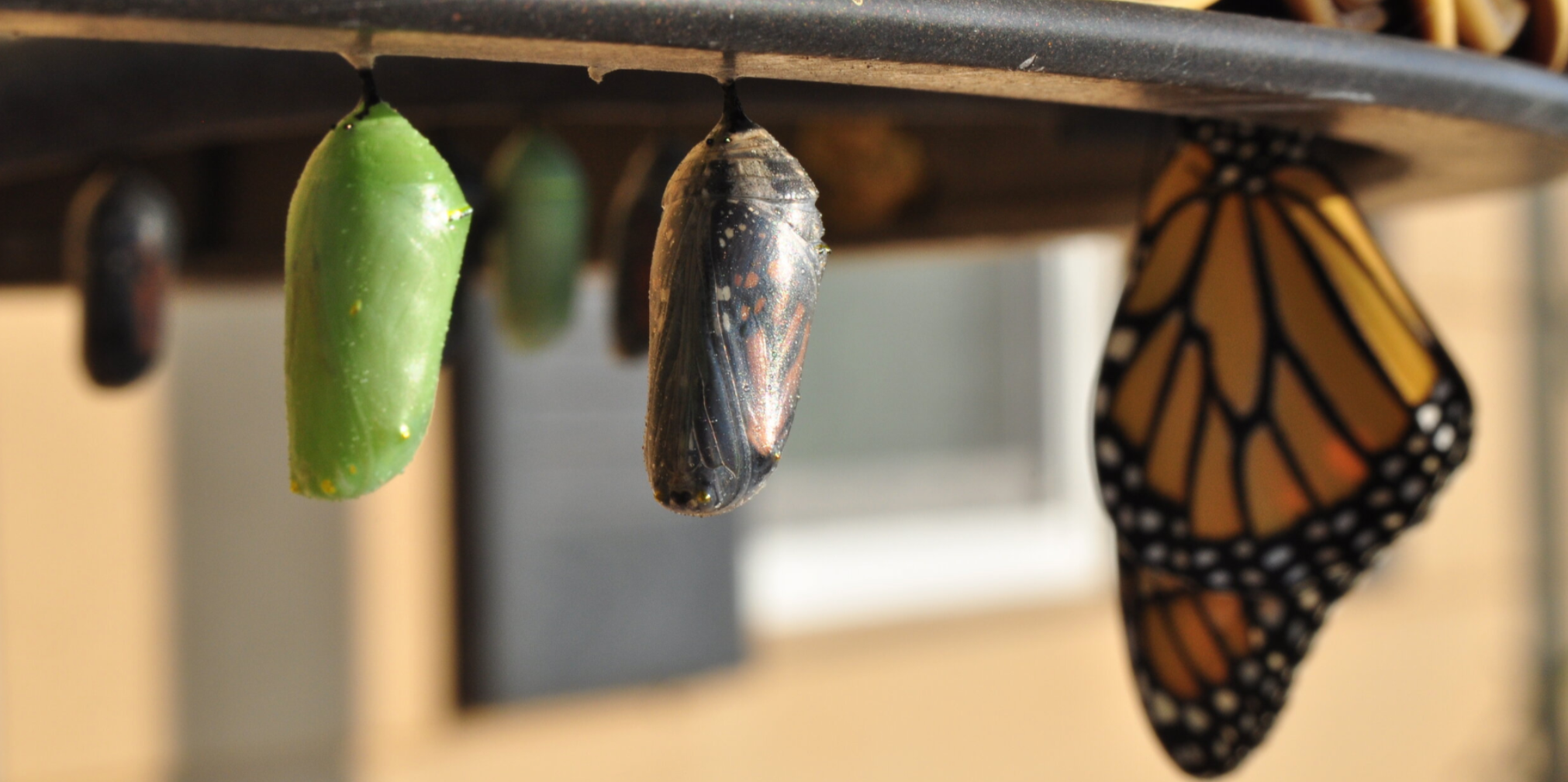
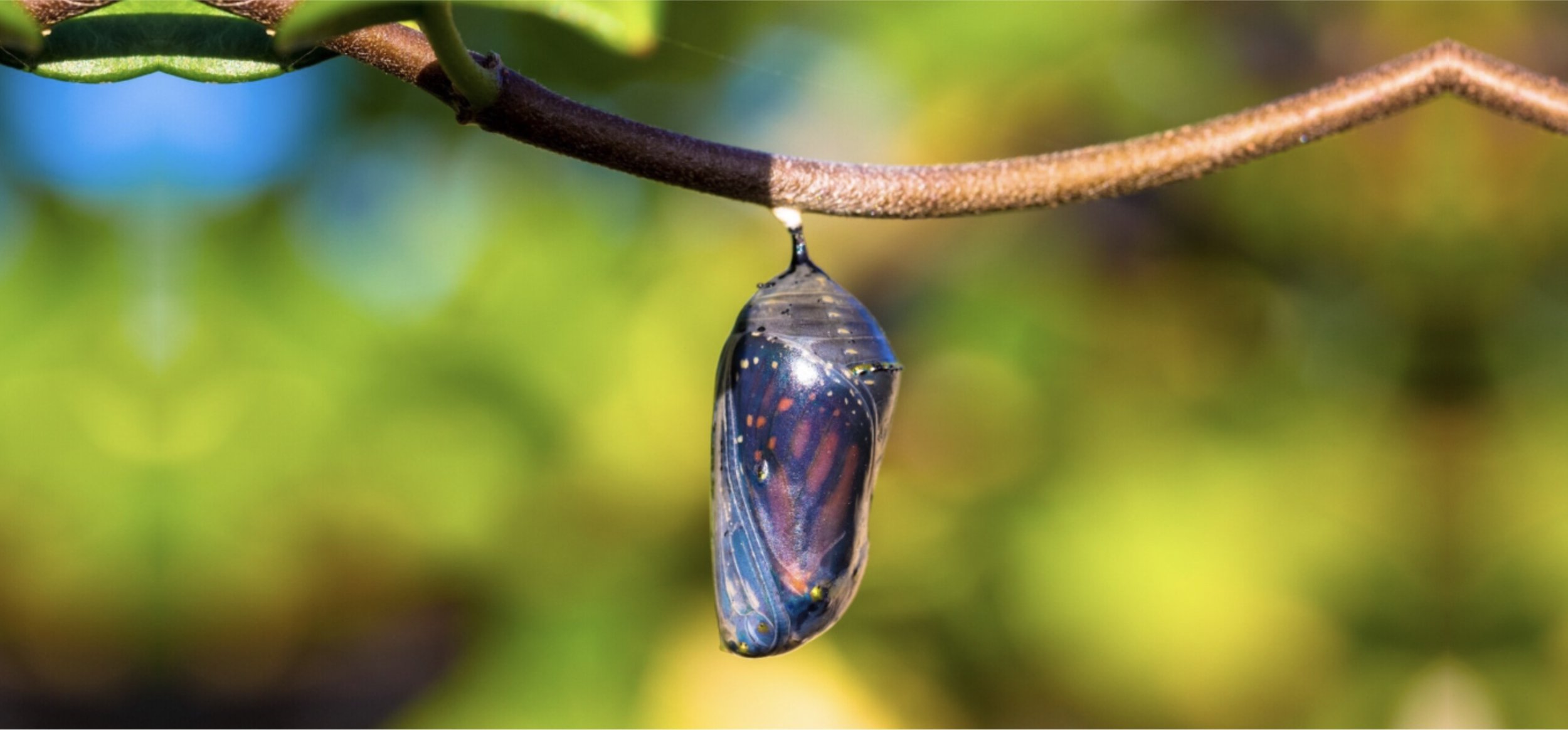
PUPA is both a metaphor and an acronym. On the metaphor side, it is the safe space for transformation that our Focusing partnerships create. This comes from the word pupa, which is the common name for the place a caterpillar transforms into a butterfly (the chrysalis) and into a moth (the cocoon). PUPA Focusing creates safety by using attuned listening, including empathic listening. On the acronym side, it forms a way for us to orient our Focusing work, to what phase of the process one is in. The full acronym is PUP2A, as we found we needed an extra P, so we now have: Pause, Understanding, Permutation, Preparing, and Action. Here is more about the phases, and how they connect with Gendlin’s six steps.
Pause: the conditions for Focusing
The pause phase maps to Gendlin’s Step 1: Clearing a Space and Step 6: Receiving. As Gendlin shares, Clearing a Space is a pre-condition needed for Focusing. It is a preparatory step. What I have found, in teaching Focusing, is that Receiving is also preparatory, as it is much easier to welcome something that comes when we are already in a welcoming mood.
This way of being is well known in the Focusing world, with the term the Focusing attitude.
In short, this phase is about creating conditions of calm and connection. Many practices used outside of Focusing can help us achieve that grounded and heartfelt presence. We also sometimes use Gendlin’s version, of placing things down outside of us at just the right distance.
Understanding: learning about today’s issue in an embodied way
Once we have the conditions for Focusing, we can begin. Typically, this involves welcoming a felt sense with some friendly curiosity. Sometimes we do so intentionally on a specific topic; other times, we invite whatever the body wants us to know.
Here, we use Step 2: Inviting a Felt Sense. The felt sense involves four main aspects: physical sensations, feelings, thoughts and memories. We give the felt sense plenty of time to form. Once it has unfolded enough, we then use Step 3: Finding a Handle. This step is all about getting a grasp on what this is all about. Typically, we get it as a symbol, such as a word, phrase, image, gesture or sound, that brings clarity to the Focusing session.
Next comes Step 4: Resonating. This is the process of going back and forth between the felt sense and the handle to see if they move each other, if they result in a sense of “yes…that’s right” and we feel resonance.
Often, when we find the right handle, we also get a felt shift. This is the “heart of the process” according to Gendlin. Notably, it is not a particular step. They just come in the practice, though creating the right conditions, even when we are working with very uncomfortable sensations. Having a listening partner can help deepen the process and achieve these relieving moments.
After a felt shift, sometimes the body has more to say. The felt sense has changed, but is still there. This is where we might go to Step 5: Asking, with questions such as “What else do you want me to know?” or “What’s the worst about this?” or “What does the felt sense need?”
What comes next can be quite deep experiencing, sometimes of very old memories or experiences. This can be where we need Step 6: Receiving to welcome painful experiences. We be with it: we hear it, we see it and feel whatever is there with heartfelt presence.
Permutation: A new way forward emerges
Focusing is an organic process, and we can have many felt senses, handles and felt shifts in a given Focusing session. Sometimes we explore deeply with Asking, other times we move around the body. However, at some point, the bodily felt shift can come with a mental paradigm shift. These aha moments can be a turning point in a session. The point where we move from understanding what the problem was and being with it, to a new phase of carrying forward with fresh creative ideas.
This pivotal moment changes the orientation of the session. We now have a way of living forward. Sometimes we find this place with one of Gendlin’s Step 5: Asking questions, which is some version of “What would it feel like in the body if this were all resolved?”
At PUPA Focusing, at this point we sometimes bring in a few other tools to help tap into this emerging future, such as Gendlin’s second practice Thinking at the Edge (TAE), Social Presencing Theatre (Arawana Hayashi’s work from Theory U/Otto Scharmer), or Feelingwork (Joe Shirley).
Preparing: getting ready to act
The importance of this phase emerged with the realization that just because we know what we want to do, doesn’t mean we feel ready to do it. With the butterfly, when it exits the pupa it must first dry its wings.
In our PUPA Focusing, this often involves becoming the Self that can take the action. Sometimes this is embodying the us we can be in other environments/contexts into a new one. Other times, it really is embodying a new energy for us. This work is especially done in our advanced Focusing courses, where students learn to cross two felt senses to help them feel ready for action. Learning to do this is aided by the TAE work.
Common energies that we embody at this phase are self-compassion and confidence. Our felt sense knows before we do something, and this can be very empowering.
Action: taking your just right next step
Finally, we can get to Focusing on what specific action step we would like to take. This can be counterintuitive to folks. However, asking the body what would be a “just right next step” is super helpful, as it knows creative ways forward that our usual thinking mind doesn’t!
The action can be very meaningful. One can find what is ours to do in the world, and then once we do them have the courage to keep going. Gendlin points to folks finding their unique next steps in both his book Focusing and his major work of philosophy, A Process Model. In the last chapter of Focusing, he says it this way: “A society of pattern-makers is coming.”
We invite you to join us on your journey, to have your felt senses guide your way!

PUPA Focusing Trainees
The following individuals are students in training to become Focusing Trainers (Focusing Teachers). You can see some of them for private Focusing sessions which are offered as part of their training.



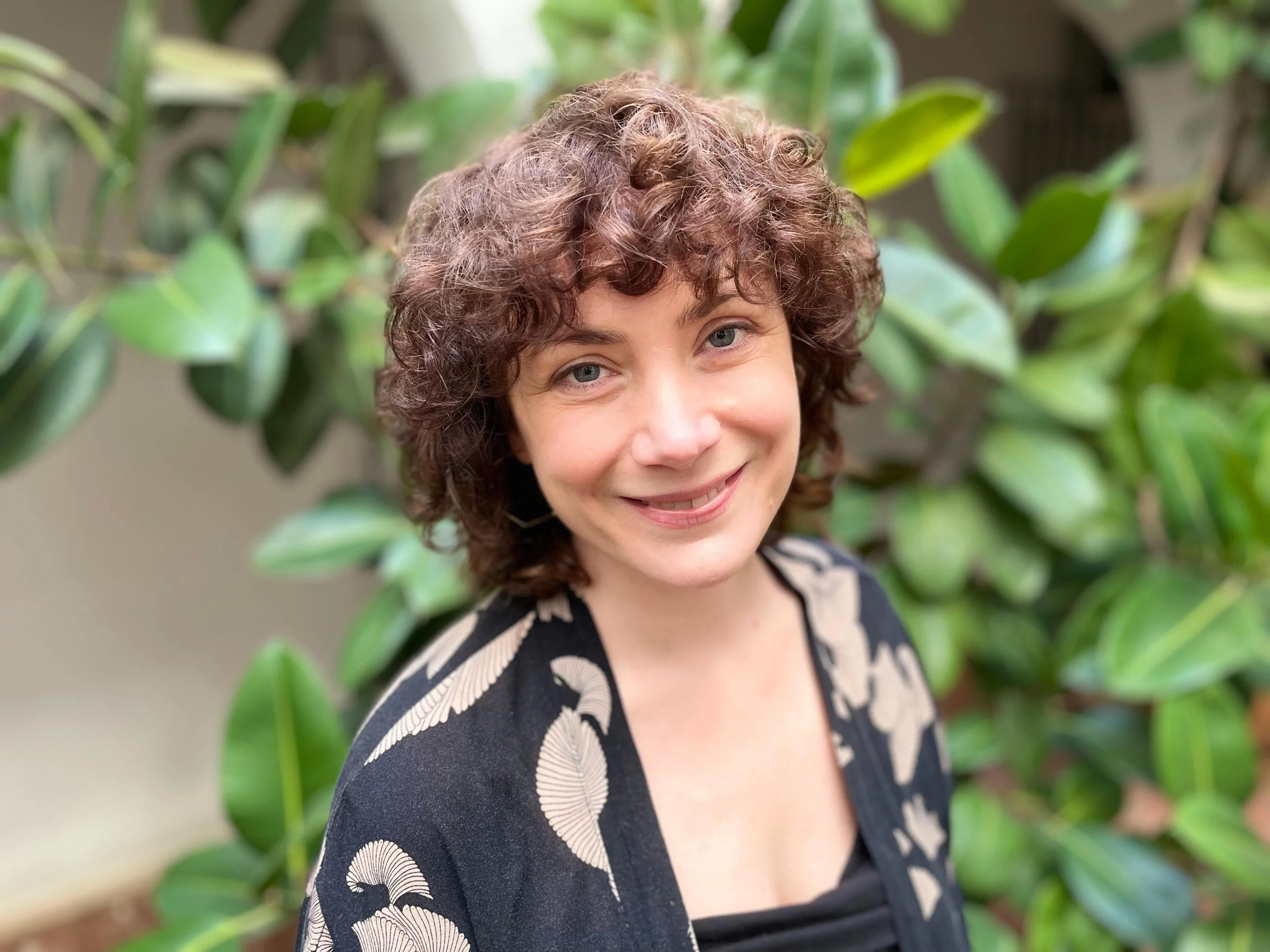

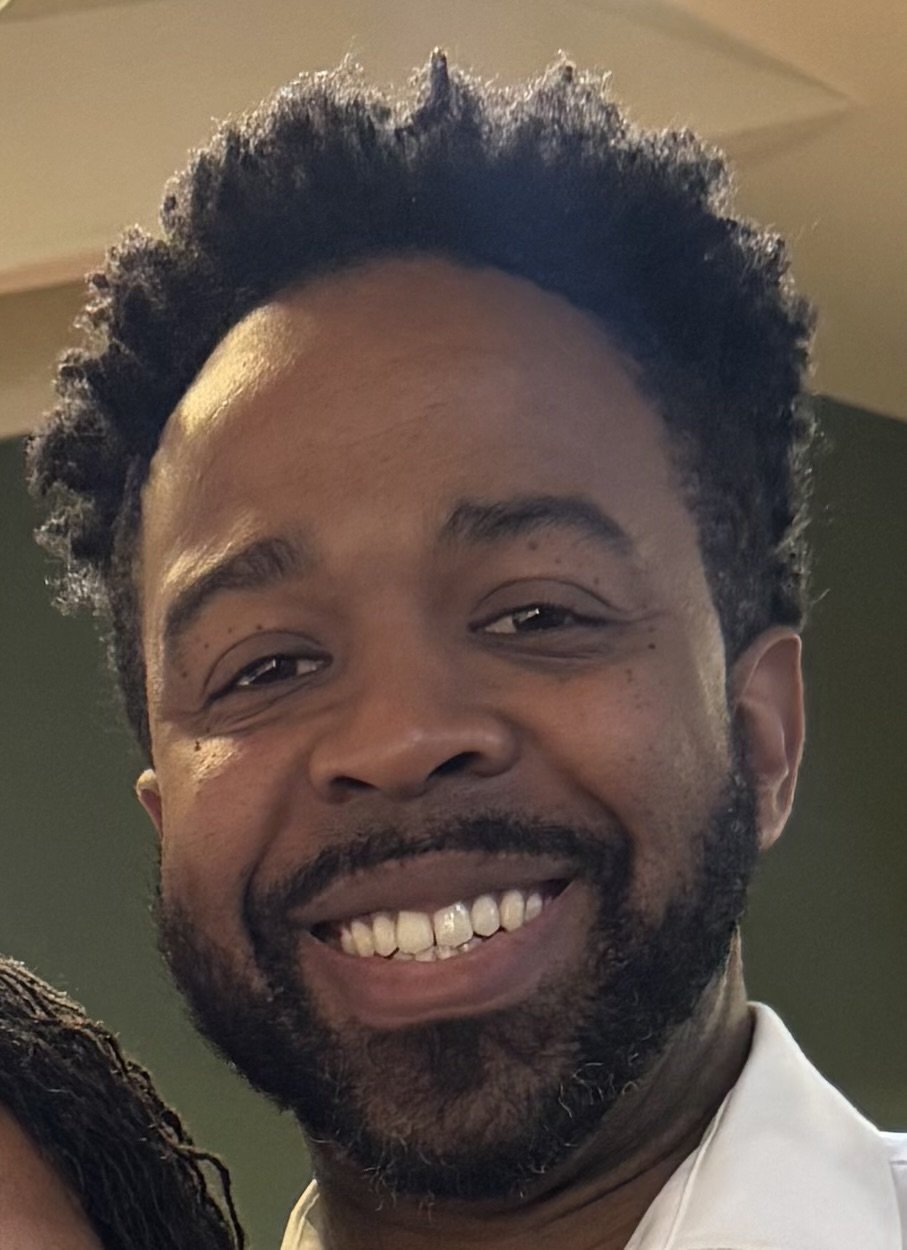


PUPA Focusing Trainers & Co-Teachers
The following PUPA Focusing Trainers (or Trainees) are actively Teaching at PUPA. To see a list of all those who have graduated as Certified Focusing Teachers/Listeners, see our Trainers page.